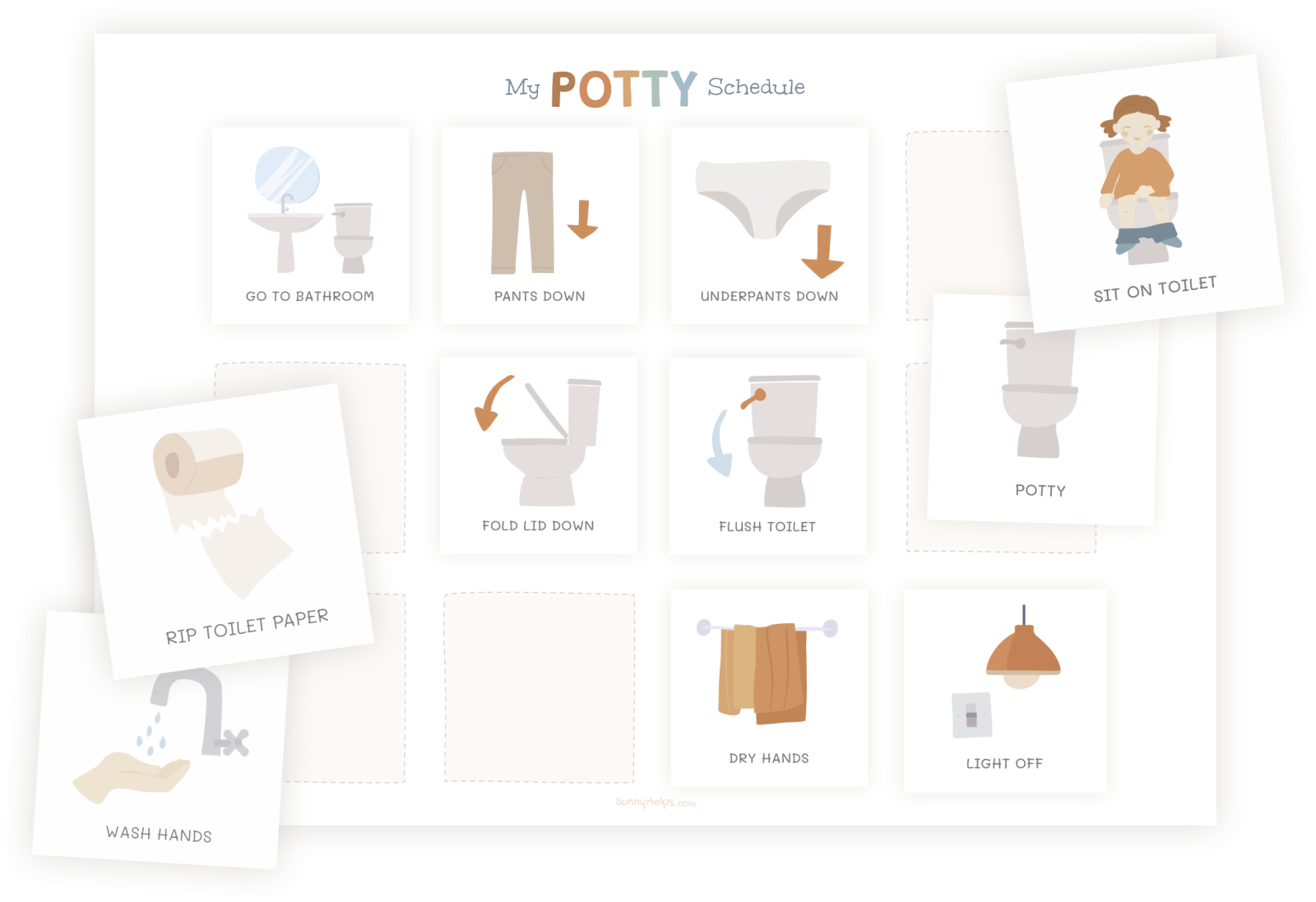
Are you ready to say goodbye to endless diaper changes and accidents? Potty training can be a challenging time for both parents and children, but with the right tools and strategies, it doesn’t have to be a stressful experience. In this comprehensive guide, we will show you how to use a visual schedule to achieve potty training success without the tears and frustration.
A visual schedule is a powerful tool that can greatly facilitate your child’s understanding of the potty training process. By using pictures or symbols to represent each step, you can create a clear and predictable routine that is easy for your child to follow. This visual aid helps your little one visualize and internalize the steps involved in using the toilet, making the transition from diapers to big-kid underwear more manageable.
In this guide, we will walk you through the step-by-step process of creating and implementing a visual schedule for your potty training journey. We’ll cover everything from choosing the right visuals to establishing a consistent routine, troubleshooting common challenges, and celebrating your child’s successes along the way.
Get ready for stress-free potty training success with the help of a visual schedule. Let’s dive in and make this milestone a breeze for you and your little one.
Understanding the Importance of Visual Schedules
Potty training is an important developmental milestone for every child. It marks the transition from being dependent on diapers to gaining independence and control over their bodily functions. However, the process can be overwhelming for both parents and children. This is where visual schedules come in.
Visual schedules provide a clear and visual representation of the steps involved in using the toilet. They help children understand and anticipate what comes next in the potty training routine. By using pictures or symbols, visual schedules make the process more concrete and less abstract for young children who may struggle with verbal instructions alone.
Research has shown that visual aids are highly effective in improving communication, comprehension, and task completion for individuals with cognitive or developmental challenges. The same principles apply to potty training. Visual schedules can reduce anxiety, increase predictability, and enhance a child’s understanding of the potty training process.
When children can see what steps they need to take, they feel more empowered and confident during the potty training journey. Visual schedules provide a visual roadmap to success and help children develop a sense of accomplishment as they progress through each step.
Using a visual schedule is not only beneficial for children but also for parents. It provides a consistent and structured framework for potty training, reducing the stress and guesswork involved in the process. With a visual schedule, you can establish a routine that is easy to follow, making potty training a smoother and more enjoyable experience for everyone involved.

Creating a Visual Schedule for Potty Training
Creating a visual schedule for potty training requires careful thought and planning. Here’s a step-by-step process to help you get started:
Step 1: Choose the right visuals
The first step in creating a visual schedule is to choose the right visuals that your child can easily understand and relate to. Keep in mind that your child may have their preferences, so involve them in the selection process. Look for pictures or symbols that represent each step of the potty training process, such as going to the bathroom, sitting on the toilet, wiping, and washing hands. You can find ready-made visual schedules online or create your own using clipart or photos.
Step 2: Set up the visual schedule
Once you have chosen the visuals, it’s time to set up the visual schedule in a way that is easily accessible for your child. Consider using a magnetic or Velcro board where you can easily attach and remove the visuals as needed. Alternatively, you can create a laminated schedule and use sticky tack or Velcro dots to attach the visuals to the schedule. Place the visual schedule in a prominent location, such as the bathroom or your child’s bedroom, so they can easily see it and refer to it throughout the day.
Step 3: Introduce the visual schedule
Now that you have your visual schedule ready, it’s time to introduce it to your child. Sit down with them and explain that this schedule will help them understand and remember the steps involved in using the toilet. Show them each visual and explain what it represents. Encourage them to ask questions and make sure they understand the purpose of the visual schedule. Reassure them that this is a helpful tool that will make potty training easier and more fun.
Step-by-Step Guide to Creating a Visual Schedule for Potty Training
Creating a visual schedule for potty training involves a few key steps. By following this step-by-step guide, you can create a customized and effective visual schedule that meets your child’s needs. Let’s get started:
Step 1: Choose the Right Visuals
The first step in creating a visual schedule is selecting the right visuals to represent each step of the potty training process. You can use pictures, symbols, or even photographs to create a visual representation of each action involved in using the toilet. Choose visuals that are clear, age-appropriate, and meaningful to your child.
For example, you can use a picture of a toilet to represent the step of sitting on the toilet, a picture of soap to represent washing hands, and a picture of clean underwear to represent changing into dry clothes. The visuals you choose should be easily recognizable and understandable to your child.
Step 2: Create a Visual Schedule
Once you have chosen the visuals, it’s time to create the visual schedule. You can create a physical schedule using a poster board, laminated cards, or a whiteboard. Alternatively, you can create a digital schedule using a tablet or computer.
Arrange the visuals in the order that they occur during the potty training routine. Start with the first step, such as undressing, and end with the final step, such as washing hands. Leave enough space between each visual to make it clear and easy to follow.
Step 3: Add Visual Cues
To enhance the effectiveness of the visual schedule, consider adding visual cues or prompts for each step. For example, you can add arrows pointing from one visual to the next to indicate the sequence of actions. You can also add simple instructions or reminders next to each visual, such as “Sit on the toilet” or “Flush and wash hands.”
These visual cues provide additional guidance and support for your child, reinforcing the steps involved in the potty training process. They act as a visual reminder of what needs to be done at each stage, making it easier for your child to follow the routine independently.
Conclusion
Toilet training can be a challenging endeavor for children with autism, but the thoughtful integration of visual schedules can greatly enhance the process. These schedules offer structure, predictability, and visual cues that resonate with children who thrive on routine and visual information. By creating a personalized visual schedule and implementing effective strategies, caregivers can provide valuable support in navigating this important developmental milestone. Remember, every child is unique, and finding the approach that suits their individual needs will contribute to a successful and empowering toilet training journey.